Historical K-Dramas: Cultural Impact on US Viewers
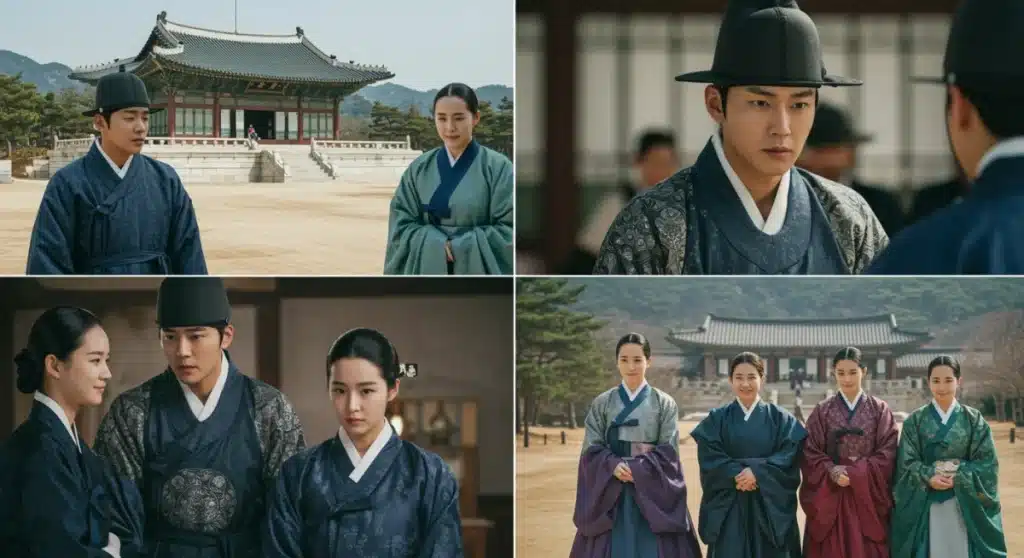
Historical K-dramas have profoundly shaped US viewers’ perceptions of Korean culture and history, fostering a deeper appreciation for diverse narratives and global entertainment.
The allure of historical narratives, rich in intricate plots, stunning visuals, and compelling character development, has transcended geographical boundaries. In the current year, the cultural phenomenon of K-dramas continues its global ascent, with a particular focus on how historical series are shaping the perceptions and cultural understanding of audiences in the United States. This article delves into examining the cultural impact of 4 historical K-dramas on US viewers in the current year, exploring their influence on everything from historical appreciation to culinary curiosity and fashion trends.
Korean historical dramas, often referred to as ‘sageuk’, offer a unique window into Korea’s past, depicting pivotal moments, royal intrigues, and the lives of legendary figures. These dramas are not merely entertainment; they serve as cultural ambassadors, introducing millions to a history and heritage that might otherwise remain largely unknown. For US viewers, who are increasingly seeking diverse content, sageuks provide a refreshing alternative to Western historical narratives, offering complex moral dilemmas, breathtaking cinematography, and deeply emotional storytelling.
The Enduring Appeal of Historical Narratives
Historical K-dramas hold a unique position in the global entertainment landscape, captivating audiences with their blend of historical accuracy, dramatic flair, and universal themes. These series are meticulously crafted, often involving extensive research into historical periods, customs, and political landscapes. This dedication to detail, combined with compelling storytelling, creates an immersive experience that resonates deeply with viewers.
Authenticity and Storytelling
One of the primary reasons for the enduring appeal of sageuks is their commitment to authenticity, even when fictionalized for dramatic effect. Viewers appreciate the effort put into recreating historical settings, costumes, and social norms. This attention to detail allows for a more immersive experience, transporting audiences back in time and providing a sense of genuine connection to the past.
- Historical Accuracy: While some creative liberties are taken, many sageuks strive for historical accuracy in depicting major events and figures, offering educational value.
- Intricate Plots: These dramas are known for their sophisticated narratives, often involving political conspiracies, power struggles, and personal sacrifices that keep viewers on the edge of their seats.
- Character Depth: Protagonists and antagonists alike are often portrayed with complex motivations, making their journeys relatable and emotionally resonant.
Beyond historical events, sageuks often explore universal human experiences such as love, betrayal, loyalty, and ambition. These timeless themes allow US viewers to connect with characters and stories despite the cultural and historical distance. The emotional intensity and moral complexities presented in these dramas often spark discussions and critical thinking among audiences, further solidifying their impact.
‘Kingdom’: A Modern Take on Historical Horror
‘Kingdom’ stands out as a groundbreaking historical K-drama that seamlessly blends the Joseon Dynasty setting with a thrilling zombie apocalypse narrative. Its arrival on a major streaming platform introduced a vast new audience to the sophistication of Korean historical storytelling, albeit with a unique horror twist. The series quickly garnered international acclaim, significantly contributing to the historical K-drama impact in the US.
Global Acclaim and Genre Fusion
‘Kingdom’ transcended traditional genre boundaries, appealing to fans of historical dramas, zombie thrillers, and political intrigue alike. Its high production value, gripping plot, and compelling characters made it a global sensation. US viewers, accustomed to Western zombie narratives, found a fresh and innovative take on the genre, set against the backdrop of Korea’s rich history.
- Unique Premise: The fusion of a historical period with a modern horror element created a novel viewing experience.
- Cinematic Quality: The drama boasts stunning cinematography, elaborate costumes, and impressive action sequences, rivaling Hollywood productions.
- Social Commentary: Beneath the horror, ‘Kingdom’ subtly explores themes of class struggle, corruption, and leadership, providing depth beyond mere entertainment.
The success of ‘Kingdom’ has undeniably broadened the appeal of historical K-dramas among US audiences. It demonstrated that sageuks are not confined to traditional historical narratives but can innovate and adapt to global tastes. This series paved the way for other historical K-dramas to gain traction, proving that quality storytelling, regardless of its historical setting, can find a universal audience.
‘Mr. Sunshine’: A Poignant Look at a Tumultuous Era
‘Mr. Sunshine’ offers a deeply emotional and visually stunning portrayal of Korea during the late 19th and early 20th centuries, a period marked by significant political upheaval and the rise of Japanese influence. This drama captivated US viewers with its epic scope, tragic love story, and powerful depiction of patriotism and sacrifice. It played a crucial role in deepening US audiences’ understanding of a less-explored period in Korean history, reinforcing the historical K-drama impact.
Historical Education Through Drama
For many US viewers, ‘Mr. Sunshine’ was their first introduction to the turbulent period leading up to Japan’s annexation of Korea. The series meticulously recreates the era, showcasing the struggles of ordinary people and the bravery of those who fought for their nation’s independence. It effectively blended personal narratives with grand historical events, making complex history accessible and emotionally resonant.
The drama’s intricate plot follows Eugene Choi, an American marine officer born in Korea, and his entanglement with a noblewoman, Go Ae-shin, who secretly fights for her country’s independence. Their forbidden love story, set against a backdrop of impending national crisis, highlights the sacrifices made for freedom and justice. US audiences were particularly moved by the universal themes of identity, loyalty, and the fight against oppression.
- Educational Value: Provided insight into a critical, often overlooked, period of Korean history.
- Emotional Depth: The powerful performances and poignant storyline resonated deeply with viewers.
- Visual Grandeur: The drama’s stunning cinematography and historical accuracy in set design and costumes were widely praised.
‘Mr. Sunshine’ not only entertained but also educated, prompting many US viewers to research the historical events depicted. This educational aspect is a significant part of the cultural impact of historical K-dramas, turning passive viewing into an active learning experience and fostering a greater appreciation for global history.
‘Hwarang: The Poet Warrior Youth’: Youth, Camaraderie, and Growth
‘Hwarang: The Poet Warrior Youth’ transports viewers to the Silla Dynasty, focusing on a group of elite young men known as Hwarang, who are trained in military, intellectual, and artistic pursuits. This historical K-drama, while perhaps less focused on intense political drama than others, resonated with US audiences due to its emphasis on youth, friendship, and personal growth, showcasing a different facet of the historical K-drama impact.
Relatable Themes in an Ancient Setting
Despite its ancient setting, ‘Hwarang’ explores themes highly relatable to young audiences, such as finding one’s identity, navigating friendships and rivalries, and striving for personal excellence. The drama’s vibrant cast, many of whom are popular K-pop idols, further amplified its appeal, drawing in viewers who might not typically watch historical dramas.
The series offers a lighter, more romanticized view of historical Korea, making it an accessible entry point for new K-drama fans. It highlighted the importance of camaraderie and leadership, while also showcasing the beauty of traditional Korean culture through its costumes, music, and martial arts. The focus on the Hwarang’s development from unruly youths to respected warriors provided a compelling narrative arc that resonated with viewers globally.
- Youth Appeal: Attracted a younger demographic with its idol cast and coming-of-age themes.
- Cultural Showcase: Displayed elements of Silla culture, art, and social structures in an engaging manner.
- Positive Values: Emphasized friendship, loyalty, and personal development, offering inspiring messages.
‘Hwarang’ demonstrated that historical K-dramas can cater to a wide range of tastes, proving that historical settings can serve as a backdrop for universally appealing stories about youth and personal journeys. Its success underscored the versatility of sageuks in engaging diverse audience segments in the US.
‘The Crowned Clown’: Power, Identity, and Sacrifice
‘The Crowned Clown’ is a compelling historical K-drama that explores themes of power, identity, and sacrifice through the story of a king who replaces himself with a doppelgänger clown to escape assassination. Set during a tumultuous period of the Joseon Dynasty, the series captivated US audiences with its intricate plot, stellar performances, and profound narrative on leadership and humanity, further solidifying the historical K-drama impact.
A Deeper Look at Leadership and Morality
The drama delves into the complexities of leadership, contrasting the tyrannical rule of the real king with the compassionate governance of the clown. This exploration of what truly makes a good ruler, coupled with the clown’s struggle to maintain his deception while genuinely caring for the people, offered a thought-provoking narrative for US viewers. The series highlighted the burdens of power and the moral dilemmas faced by those in authority.
The transformation of the clown from a street performer to a respected, albeit temporary, monarch resonated deeply. His journey underscored the idea that true leadership stems from empathy and a desire to serve, rather than from birthright or status. The drama’s ability to weave personal growth with political intrigue made it a standout, offering both entertainment and significant social commentary.
- Moral Dilemmas: Explored complex questions about power, justice, and the nature of leadership.
- Exceptional Acting: The lead actor’s dual role performance was widely praised, adding depth to the narrative.
- Visual Storytelling: Utilized stunning visuals and historical settings to enhance the dramatic impact.
‘The Crowned Clown’ proved that historical K-dramas can deliver sophisticated narratives that challenge viewers to reflect on universal themes of governance and human nature. Its success in the US market is a testament to the growing appetite for content that offers both intellectual stimulation and emotional engagement, further cementing the cultural influence of these dramas.
Broader Cultural Implications for US Viewers
The increasing popularity of historical K-dramas in the US extends beyond mere entertainment, fostering significant cultural implications. These dramas act as powerful vehicles for cultural exchange, influencing US viewers’ perceptions of Korea, its history, and its contemporary culture. The sustained engagement with these series contributes to a broader understanding and appreciation of global diversity.
Beyond the Screen: Food, Fashion, and Language
The immersive nature of historical K-dramas often sparks curiosity about various aspects of Korean culture. Viewers are exposed to traditional Korean cuisine, architecture, fashion (hanbok), and even elements of the Korean language. This exposure frequently translates into real-world interest and engagement.
- Culinary Exploration: Many viewers are inspired to try Korean food, leading to a rise in popularity of Korean restaurants and cooking shows.
- Fashion Influence: Traditional Korean attire, particularly the hanbok, gains recognition and appreciation, influencing fashion trends and cultural events.
- Language Learning: Interest in the Korean language often increases, with viewers seeking to understand dialogue without subtitles.
Moreover, the historical narratives often prompt viewers to delve deeper into Korean history, moving beyond the dramatized versions presented on screen. This educational byproduct is invaluable, as it contributes to a more informed and globally aware audience. The discussions generated by these dramas on social media and fan communities further amplify their cultural reach, creating a shared experience among diverse viewers.
The cultural impact of historical K-dramas highlights a significant shift in viewing habits, where US audiences are increasingly open to content from non-Western cultures. This openness fosters a greater sense of global interconnectedness, breaking down cultural barriers and promoting mutual understanding. The continued success of sageuks suggests a promising future for cross-cultural entertainment and a deepening appreciation for Korea’s rich heritage.
| Key Aspect | Brief Description |
|---|---|
| Genre Fusion | Historical K-dramas like ‘Kingdom’ blend genres, attracting diverse US audiences. |
| Historical Education | ‘Mr. Sunshine’ introduces US viewers to critical periods of Korean history. |
| Cultural Exposure | Dramas spark interest in Korean food, fashion, and language among US viewers. |
| Universal Themes | Stories of love, loyalty, and power resonate across cultural divides. |
Frequently Asked Questions About Historical K-Drama Impact
Historical K-dramas captivate US audiences through their unique blend of intricate plots, stunning cinematography, and compelling character development. They offer fresh perspectives on historical narratives, often incorporating universal themes of love, betrayal, and justice. The high production quality and emotional depth also contribute significantly to their broad appeal and cultural resonance.
These dramas serve as an engaging educational tool, introducing US viewers to lesser-known periods of Korean history, such as the Joseon Dynasty or the Japanese colonial era. By dramatizing historical events and figures, they make complex history accessible and emotionally resonant, often prompting viewers to seek further information and deepen their knowledge.
US viewers gain exposure to various Korean cultural elements, including traditional clothing (hanbok), distinctive architecture, historical customs, and social hierarchies. They also encounter traditional Korean cuisine and music, which often sparks an interest in exploring these aspects further, contributing to a broader cultural appreciation.
Yes, many US viewers develop an increased interest in learning the Korean language after watching historical K-dramas. The desire to understand dialogue without subtitles and to connect more deeply with the culture often motivates them to explore language learning resources, fostering greater cross-cultural communication and engagement.
The success of historical K-dramas indicates a significant shift towards global content consumption, with US viewers increasingly embracing non-Western narratives. This trend broadens cultural horizons, challenges traditional entertainment norms, and encourages greater diversity in media, demonstrating a growing openness to international storytelling and cultural exchange.
Conclusion
The examination of the cultural impact of historical K-dramas on US viewers in the current year reveals a profound and multifaceted influence. Series like ‘Kingdom,’ ‘Mr. Sunshine,’ ‘Hwarang,’ and ‘The Crowned Clown’ have not only entertained but also educated, inspired, and connected audiences with a rich historical and cultural tapestry. They have transcended their role as mere entertainment, becoming powerful conduits for cultural exchange, fostering a deeper understanding of Korean history, customs, and societal values. This growing appreciation underscores a significant shift in global entertainment consumption, where diverse narratives are increasingly valued, paving the way for continued cross-cultural dialogue and a more interconnected world through the universal language of storytelling.