Analyzing the Impact of 3 Recent K-Drama Endings on Viewer Satisfaction in 2026: An Insider’s Look
The world of K-dramas is a vibrant, ever-evolving tapestry of storytelling, captivating audiences globally with its unique blend of romance, drama, fantasy, and socio-political commentary. In 2026, as the industry continues to push boundaries and innovate, the discussion around K-Drama Endings Impact has reached a fever pitch. A drama’s conclusion isn’t merely the end of a narrative; it’s the culmination of weeks or even months of emotional investment from millions of viewers. A well-executed ending can solidify a drama’s legacy, while a disappointing one can tarnish an otherwise brilliant series. This article delves deep into the viewer satisfaction surrounding three prominent K-drama endings from early to mid-2026, examining what worked, what didn’t, and the broader implications for the future of Korean television.
For many, K-dramas are more than just entertainment; they are a cultural phenomenon, a source of comfort, excitement, and often, intense debate. The emotional connection viewers form with characters and storylines is profound, making the final moments of a series critically important. In an age of instant global communication, fan reactions, critical reviews, and social media trends coalesce to form a comprehensive picture of how an ending is received. Understanding this intricate web of feedback is crucial for creators and industry insiders alike.
Our analysis focuses on three distinct K-dramas that concluded in 2026, each representing a different genre or narrative approach, and each eliciting a unique set of responses from its audience. By dissecting these cases, we aim to uncover the underlying factors that contribute to viewer satisfaction and dissatisfaction, providing an ‘insider’s look’ into the pulse of the K-drama fandom in 2026.
The Weight of Expectation: Why K-Drama Endings Matter So Much
Before we dive into specific examples, it’s essential to understand the immense pressure on K-drama writers and directors when crafting a finale. Unlike Western series that often run for many seasons, most K-dramas are self-contained, with a single season typically ranging from 16 to 20 episodes. This format means that all character arcs, plotlines, and thematic resolutions must be meticulously tied up within a relatively short timeframe. There’s no safety net of a subsequent season to fix unresolved issues or appease disgruntled fans.
The global accessibility of K-dramas through streaming platforms has amplified this pressure. A drama’s ending is no longer judged solely by its domestic audience but by a vast, diverse international viewership with varying cultural expectations and storytelling preferences. This global spotlight means that an ending’s reception can significantly impact a drama’s long-term popularity, its actors’ careers, and even the reputation of the production house. The discussion around K-Drama Endings Impact is a global conversation, echoing across continents and languages.
Moreover, K-drama narratives often build intense emotional stakes. Viewers invest deeply in the romantic journeys, the struggles against injustice, the mysteries to be solved, and the personal growth of the characters. When a finale fails to deliver a satisfying conclusion to these emotional investments, it can lead to feelings of betrayal, frustration, or outright anger. Conversely, a perfectly executed ending can leave viewers feeling fulfilled, emotionally resonant, and eager to recommend the drama to others, fueling its enduring legacy. The impact of these endings reverberates long after the credits roll.
Case Study 1: ‘The Chronos Paradox’ – A Masterclass in Ambiguity?
Our first subject is ‘The Chronos Paradox,’ a sci-fi thriller that gripped audiences with its intricate plot, time-traveling mysteries, and philosophical questions about fate versus free will. The drama maintained consistently high ratings and generated immense buzz throughout its run, largely due to its unpredictable twists and stellar performances. However, its ending proved to be one of the most divisive of 2026, sparking heated debates across social media and fan forums regarding its K-Drama Endings Impact.
The Ending:
‘The Chronos Paradox’ concluded with a highly ambiguous ending. The protagonist, after seemingly altering the past to save a loved one, found themselves in a new timeline that was subtly different from the original, leaving it unclear whether their actions truly led to a ‘happy’ resolution or merely a different set of consequences. The final shot showed the protagonist staring into an uncertain future, a faint, melancholic smile on their face.
Viewer Satisfaction & Fan Reactions:
The response was a stark dichotomy. A significant portion of viewers lauded the ending as a stroke of genius, praising its intellectual depth and willingness to challenge conventional happy conclusions. They argued that the ambiguity perfectly aligned with the drama’s philosophical undertones, prompting viewers to ponder the nature of choice and destiny long after the series concluded. For these fans, the ending was a sophisticated commentary on the complexities of life, reflecting that not all problems have neat solutions. This group appreciated the artistic integrity and the courage to stray from typical K-drama tropes.
However, an equally vocal segment of the audience expressed profound disappointment and frustration. Many felt cheated out of a clear resolution, especially after investing so heavily in the characters’ arduous journey. They desired closure, a definitive answer to whether the protagonist’s sacrifices were ultimately worthwhile. For these viewers, the ambiguity felt like a cop-out, a failure to provide a satisfying emotional payoff. Some even accused the writers of being lazy or of trying too hard to be ‘artistic’ at the expense of audience satisfaction. Fan theories exploded, attempting to provide their own interpretations, but the general sentiment among this group was one of unfulfilled expectation. The K-Drama Endings Impact here was heavily polarized.
Critical Reception:
Critics were also divided, though leaning slightly more towards appreciation for the drama’s bold choice. Many praised its intellectual ambition and its contribution to broadening the scope of K-drama storytelling beyond predictable formulas. They acknowledged the risk involved in such an ending but largely saw it as a testament to the drama’s artistic vision. Some critics, however, echoed the fan sentiment, pointing out that while intellectually stimulating, the ending lacked emotional resonance for a significant portion of the audience, potentially alienating those who sought a more conventional narrative arc.
Case Study 2: ‘Love Beyond the Stars’ – The Power of a Perfect Fairytale
‘Love Beyond the Stars’ was a highly anticipated fantasy romance, featuring a beloved cast and a premise that promised an epic, star-crossed love story. It followed the journey of a human woman and an alien prince, navigating intergalactic politics and personal sacrifices for their forbidden love. The drama consistently topped viewership charts, largely due to its stunning visuals, heartwarming chemistry, and compelling romantic narrative. The anticipation for its finale was immense, with fans worldwide hoping for a truly satisfying conclusion to their beloved couple’s saga. The discussion around K-Drama Endings Impact for this one centered on delivering on romantic expectations.
The Ending:
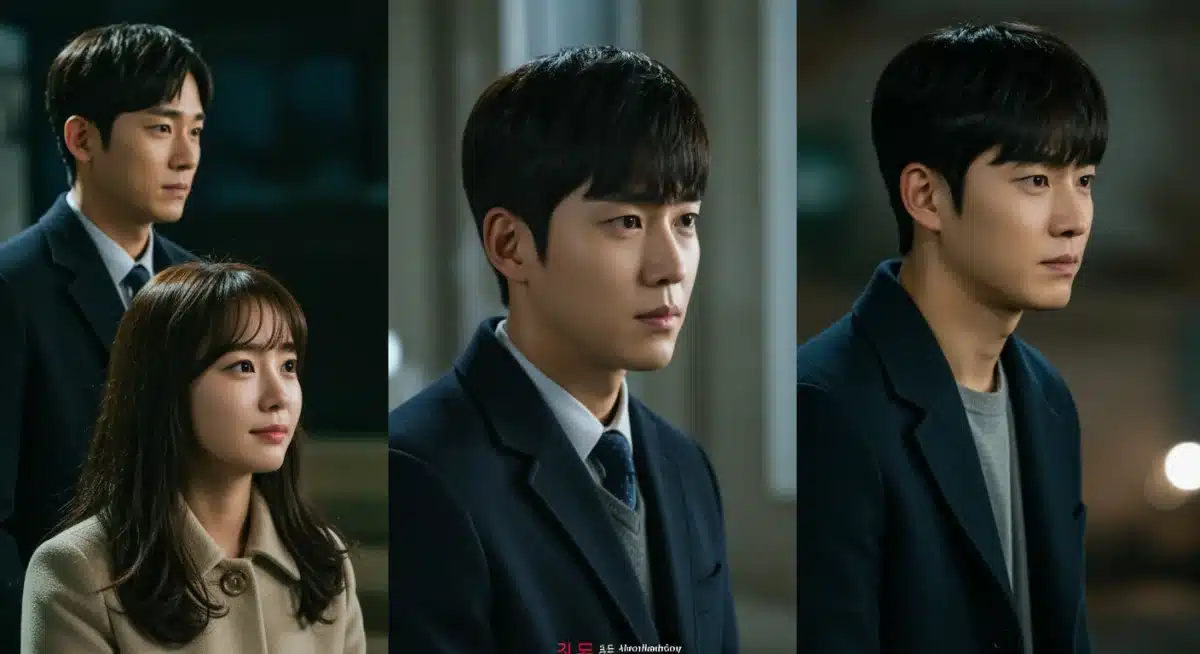
The finale of ‘Love Beyond the Stars’ delivered everything its fans had hoped for. After overcoming numerous obstacles, including a climactic battle and a tearful separation, the main couple was reunited. The alien prince found a way to permanently reside on Earth, or the human woman found a way to live among the stars, depending on the final interpretation; either way, they were together, happy, and their love story concluded with a grand, romantic gesture and a promise of a future together. The final scene showed them enjoying a peaceful, ordinary life, symbolizing the triumph of love over adversity.
Viewer Satisfaction & Fan Reactions:
The ending of ‘Love Beyond the Stars’ was met with overwhelming joy and widespread satisfaction. Fans celebrated the ‘perfect’ conclusion, praising the writers for delivering on their promises and providing the much-desired happy ending. Social media was flooded with celebratory messages, fan art, and emotional tributes to the couple. Many expressed that the ending validated their emotional investment, leaving them with a warm, fuzzy feeling and a sense of completeness. The drama’s conclusion became a benchmark for how to deliver a satisfying romance finale, solidifying its place as a fan favorite. The positive K-Drama Endings Impact was undeniable.
Even those who typically prefer more nuanced endings admitted that ‘Love Beyond the Stars’ earned its fairytale conclusion, given the genre and the narrative’s consistent tone. There was a collective sigh of relief and contentment among the global fandom, proving that sometimes, a straightforward, emotionally fulfilling ending is exactly what the audience craves.
Critical Reception:
Critics generally lauded the ending as highly effective within its genre. While some might have wished for a slightly more unconventional twist, most acknowledged that the drama successfully delivered on its core promise: an epic, satisfying romance. They praised the seamless execution of the final act, the strong character development that led to the resolution, and the overall emotional impact. The ending was seen as a testament to understanding the target audience and delivering precisely what they desired, showcasing the importance of aligning an ending with the drama’s established tone and genre expectations.
Case Study 3: ‘The Unseen Hand’ – The Bittersweet Reality of Justice
‘The Unseen Hand’ was a gritty crime thriller that explored corruption within the legal system, featuring a dedicated prosecutor fighting against powerful, shadowy figures. Known for its realistic portrayal of systemic issues, complex moral dilemmas, and intense suspense, the drama garnered critical acclaim for its mature storytelling and strong social commentary. Viewers were deeply invested in seeing justice prevail, but the nature of the drama suggested that a purely ‘happy’ ending might be out of reach. The discussion around K-Drama Endings Impact here revolved around realism versus idealism.
The Ending:
The finale of ‘The Unseen Hand’ saw the protagonist successfully expose the main perpetrators of corruption, leading to their arrests and the dismantling of their organization. However, the victory came at a significant personal cost. The protagonist lost close allies, faced severe professional backlash, and was left with the profound realization that while one battle was won, the fight against corruption was an ongoing, deeply entrenched struggle. The final scene depicted the protagonist, weary but resolute, looking out at a city that was slightly cleaner but still imperfect, understanding that true justice is a continuous, often lonely, endeavor.
Viewer Satisfaction & Fan Reactions:
The ending sparked a mixed but predominantly appreciative response. Many viewers found the bittersweet conclusion incredibly realistic and powerful. They praised the drama for not shying away from the harsh realities of fighting systemic corruption, acknowledging that such battles rarely end with everyone riding off into the sunset. This group felt that the ending maintained the drama’s integrity, providing a mature and thought-provoking resolution that resonated with the show’s themes. They appreciated the courage of the writers to deliver an ending that was both satisfying in terms of narrative closure (the criminals were caught) but also deeply reflective of real-world complexities. The K-Drama Endings Impact was seen as profound and realistic.
Conversely, some viewers, while acknowledging the realism, wished for a slightly more optimistic outcome. They felt that after weeks of intense emotional investment, a greater sense of triumph or personal happiness for the protagonist would have been more rewarding. This group wasn’t necessarily looking for a fairytale, but perhaps a clearer indication that the protagonist’s sacrifices had led to a truly better world, rather than just a minor improvement. However, even among this group, there was respect for the drama’s consistent tone and thematic commitment.
Critical Reception:
Critics overwhelmingly lauded ‘The Unseen Hand’ for its impactful and realistic ending. They highlighted its bravery in delivering a conclusion that was true to its narrative’s dark and complex nature, rather than succumbing to pressure for a more conventionally ‘happy’ wrap-up. The ending was praised for its thematic depth, its powerful social commentary, and its ability to leave viewers contemplating important societal issues. Many considered it a model for how to conclude a serious crime drama, demonstrating that an ending doesn’t always need to be joyous to be profoundly satisfying and impactful.
Key Factors Influencing K-Drama Endings Impact & Viewer Satisfaction
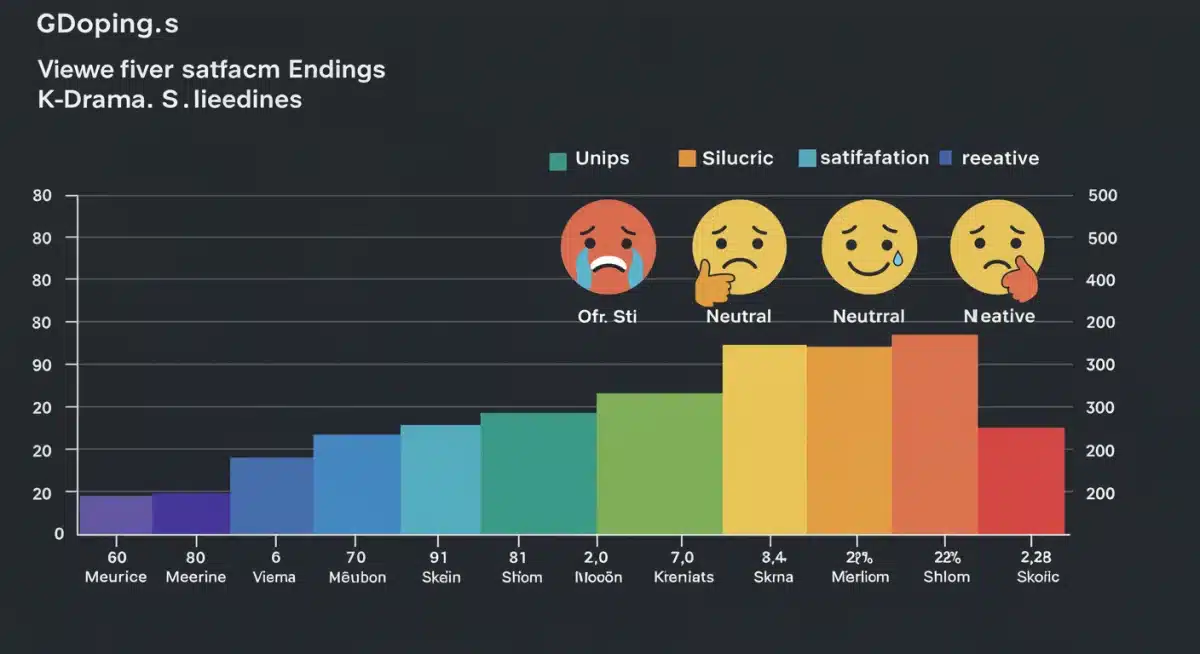
From these three diverse case studies, several key factors emerge that significantly influence viewer satisfaction with K-drama endings:
1. Genre Expectations:
Perhaps the most crucial factor. ‘Love Beyond the Stars’ succeeded because it delivered the fairytale ending expected of a fantasy romance. ‘The Unseen Hand’ resonated because its bittersweet realism aligned with its crime thriller genre. ‘The Chronos Paradox’ struggled with its ambiguous ending because sci-fi thrillers, while often complex, usually provide *some* form of definitive answer or a clear philosophical statement. Viewers come to dramas with pre-conceived notions based on genre, and deviating too far without careful groundwork can lead to dissatisfaction. The K-Drama Endings Impact is heavily shaped by whether it meets inherent genre promises.
2. Narrative Consistency:
An ending must feel earned and consistent with the drama’s established tone, character arcs, and thematic development. ‘The Unseen Hand’s’ ending felt earned because its realism was a thread throughout the series. ‘Love Beyond the Stars’ built towards its romantic climax organically. When an ending feels forced, rushed, or contradictory to everything that came before, it breaks the viewer’s immersion and trust.
3. Emotional Payoff:
Regardless of genre, viewers invest emotionally. An ending needs to provide a satisfying emotional payoff, even if it’s not overtly ‘happy.’ For ‘The Unseen Hand,’ the payoff was the catharsis of justice, however incomplete. For ‘Love Beyond the Stars,’ it was the joy of reunion. For ‘The Chronos Paradox,’ the emotional payoff was less clear for many, leading to frustration. The feeling of closure, whether positive or reflective, is vital.
4. Character Resolution:
Audiences want to see their beloved characters reach a meaningful conclusion to their journeys. This doesn’t always mean a perfect life, but it should reflect their growth, choices, and the consequences thereof. An ending where characters’ arcs feel unfinished or where their fates are left entirely in limbo can be deeply unsatisfying.
5. Plot Resolution:
While thematic ambiguity can be artistic, plot points often require clearer resolution, especially in mystery or thriller genres. Unanswered questions about major plot devices or villain fates can leave viewers feeling confused rather than contemplative. ‘The Chronos Paradox’s’ ambiguity extended to plot elements, which contributed to its divisive reception.
The Evolving Landscape of K-Drama Storytelling in 2026
The varied reception of these three K-drama endings highlights a significant trend in 2026: the K-drama industry is becoming increasingly diverse in its narrative approaches. While the demand for classic, satisfying romance and triumphant justice remains strong, there’s also a growing appetite for more complex, thought-provoking, and even challenging conclusions. This reflects a maturation of both the industry and its global audience.
Writers and directors are experimenting more with non-linear narratives, morally gray characters, and endings that mirror the complexities of real life. This artistic freedom is a welcome development, but it comes with the inherent risk of alienating segments of the audience who prefer more traditional storytelling. The key, it seems, lies in managing expectations and establishing the drama’s tone and intent from the outset. A drama that prepares its audience for an ambiguous or bittersweet ending is more likely to be appreciated for it than one that suddenly veers off course in its final moments. This careful cultivation of audience expectation is crucial for positive K-Drama Endings Impact.
Furthermore, the rise of streaming platforms has given creators more freedom from traditional broadcast constraints, allowing for more niche genres and experimental formats. This means that while some dramas will continue to aim for broad appeal with universally satisfying endings, others will intentionally target specific audiences with more unconventional conclusions, knowing that a smaller but highly engaged fanbase can still lead to critical success and cultural impact.
The Role of Fan Engagement and Social Media
In 2026, fan engagement platforms and social media play an unprecedented role in shaping the perception and legacy of K-drama endings. Twitter, Reddit, YouTube, and various K-drama specific forums become virtual town squares where viewers dissect, celebrate, mourn, and sometimes rage against finales. The immediate, global feedback loop means that a drama’s ending is judged not just by individual viewers but by a collective, often passionate, community.
Positive social media buzz can amplify an ending’s success, turning it into a cultural moment. Conversely, widespread negative reactions can quickly sour public perception, even if the ending has artistic merit. This dynamic puts immense pressure on production teams to not only craft a good ending but also to understand and anticipate how their audience will react. While creators should not pander to every fan demand, being attuned to the fandom’s pulse can inform choices that lead to greater overall satisfaction. Understanding the fan sentiment is paramount for gauging K-Drama Endings Impact.
Looking Ahead: What Do These Endings Tell Us About the Future?
The analysis of these three K-drama endings from 2026 offers valuable insights into the evolving landscape of Korean television:
- Genre Clarity is King: Dramas that clearly establish their genre and tone from the beginning and stick to it through the ending tend to achieve higher viewer satisfaction. Audiences appreciate consistency.
- Emotional Resonance is Non-Negotiable: Whether happy, sad, or contemplative, an ending must evoke a strong, appropriate emotional response that feels earned by the narrative.
- Artistic Ambition vs. Audience Expectation: There’s a delicate balance between pushing creative boundaries and meeting audience expectations. While artistic merit is valued, alienating a significant portion of the fanbase can detract from a drama’s overall success.
- The Power of a Clear Message: Even ambiguous endings can be satisfying if they convey a clear philosophical or thematic message. Confusion, however, rarely leads to satisfaction.
- Global Fandom’s Influence: The international K-drama community’s voice is louder than ever. Creators are increasingly aware that their endings will be scrutinized and discussed across diverse cultural contexts.
As 2026 progresses, the conversation around K-Drama Endings Impact will undoubtedly continue to evolve. What remains clear is that the finale of a K-drama is far more than just the closing chapter; it is a critical moment that defines its legacy, shapes viewer perception, and contributes to the ongoing, fascinating evolution of global storytelling. For creators, the challenge and opportunity lie in crafting conclusions that not only tie up loose ends but also resonate deeply with an increasingly sophisticated and emotionally invested audience. The art of the K-drama ending is a complex dance between narrative closure, emotional payoff, and the ever-present weight of viewer expectation.