Navigating New K-Drama Licensing Regulations in the U.S. Market: What Distributors Need to Know for 2026
The global entertainment landscape is constantly evolving, and nowhere is this more evident than in the burgeoning popularity of international content, particularly K-Dramas, within the U.S. market. As demand for these captivating series continues to soar, so too does the scrutiny and regulation surrounding their distribution. A significant shift is on the horizon, with new regulations for international content licensing in the U.S. market set to take effect in January 2026. For K-Drama distributors, understanding and preparing for these changes is not just advisable, but absolutely critical for sustained success and compliance.
This comprehensive guide will delve deep into the intricacies of these upcoming regulations, shedding light on their potential impact, outlining key areas of focus, and offering strategic insights for K-Drama licensing regulations in the U.S. market. Our aim is to equip distributors with the knowledge and tools necessary to navigate this new regulatory environment seamlessly, ensuring that the vibrant world of Korean dramas continues to reach its ever-growing audience across the United States.
The U.S. market, with its vast consumer base and sophisticated legal framework, has always been a complex arena for international content. The new regulations, effective January 2026, are designed to address several key aspects of content distribution, including intellectual property rights, data privacy, content classification, and fair competition practices. While the specifics are still being finalized and communicated, the overarching goal appears to be a more standardized and transparent system that protects both content creators and consumers, while fostering a healthy competitive environment.
For K-Drama distributors, this means a proactive approach is paramount. Waiting until the last minute to understand and adapt will undoubtedly lead to operational challenges, potential legal issues, and missed opportunities. Instead, distributors must begin now to assess their current licensing agreements, review their operational workflows, and engage with legal and compliance experts to ensure a smooth transition into the new regulatory era.
Understanding the Core of the New K-Drama Licensing Regulations 2026
At the heart of the new regulations lies a concerted effort to modernize and streamline the international content licensing process. Several key pillars underpin these changes, each with specific implications for K-Drama distributors:
1. Enhanced Intellectual Property (IP) Protection
One of the most significant aspects of the new framework is the heightened emphasis on intellectual property protection. This includes stricter guidelines for copyright enforcement, clearer stipulations regarding derivative works, and more robust mechanisms for dispute resolution. For K-Drama distributors, this means:
- Verification of Rights: A more rigorous process for verifying the ownership and licensing rights of K-Drama content will be implemented. Distributors will need to provide comprehensive documentation proving their legitimate right to distribute specific titles within the U.S. market. This could involve more detailed contracts, chain of title documentation, and clearer rights statements from content creators.
- Anti-Piracy Measures: The regulations are expected to introduce more stringent requirements for anti-piracy measures. Distributors will likely be mandated to employ advanced digital rights management (DRM) technologies and actively monitor for unauthorized distribution. Non-compliance could result in hefty fines and revocation of licensing privileges.
- Territorial Rights Clarity: While territorial licensing has always been a cornerstone of content distribution, the new rules aim to provide even greater clarity and enforceability, particularly in an era of global streaming. Distributors must ensure their contracts explicitly define U.S. distribution rights and avoid any ambiguity that could lead to cross-border disputes.
2. Data Privacy and Consumer Protection
With increasing concerns about data privacy, the new regulations are set to incorporate elements similar to existing U.S. data protection laws (e.g., CCPA, state-specific privacy laws) but specifically tailored for the international content distribution sector. Distributors handling viewer data will face stricter requirements concerning:
- Data Collection and Usage: Clearer consent mechanisms for collecting viewer data, limitations on how that data can be used, and transparency requirements regarding data sharing with third parties.
- Data Security: Mandates for implementing robust cybersecurity measures to protect sensitive viewer information from breaches and unauthorized access.
- Consumer Rights: Enhanced consumer rights, including the right to access, rectify, and delete their personal data, and the right to opt-out of certain data processing activities.
For K-Drama distributors, this is not just about legal compliance but also about building and maintaining viewer trust. A breach of these regulations could severely damage a distributor’s reputation and lead to significant legal and financial repercussions.
3. Content Classification and Cultural Sensitivity
The U.S. market is diverse, and while K-Dramas are broadly appealing, cultural nuances and content classifications remain important. The new regulations may introduce:
- Standardized Classification: A more standardized approach to content classification that aligns international ratings with U.S. standards, ensuring that audiences receive appropriate advisories and parental guidance information. This could involve stricter adherence to existing MPAA or TV Parental Guidelines ratings, or the development of a new, harmonized system for international content.
- Cultural Advisory Requirements: Potentially, requirements for distributors to provide cultural advisories or contextual information for certain K-Drama content that might be misinterpreted or misunderstood by a U.S. audience due to cultural differences. This is not about censorship, but about enhancing viewer understanding and appreciation.
4. Fair Competition and Market Access
The regulations are also expected to address concerns about fair competition and market access for international content. This could include:
- Anti-Monopoly Provisions: Measures to prevent dominant distributors from unfairly monopolizing access to popular international content, ensuring a level playing field for smaller and emerging distributors.
- Transparent Licensing Terms: Requirements for greater transparency in licensing terms and conditions, making it easier for new entrants to understand and compete in the market.
- Reporting Requirements: Enhanced reporting requirements on market share, licensing deals, and distribution metrics to regulatory bodies, allowing for better oversight and prevention of anti-competitive practices.
Impact on K-Drama Distributors: Challenges and Opportunities
While the new K-Drama licensing regulations in the U.S. market present a series of challenges, they also open doors to new opportunities for those prepared to adapt.
Challenges:
- Increased Compliance Costs: Meeting the new IP protection, data privacy, and reporting requirements will likely necessitate investments in legal counsel, compliance officers, and technological solutions.
- Operational Overhaul: Existing licensing workflows and operational procedures may need significant adjustments to align with the new regulatory framework. This could involve updating contract templates, revising data handling protocols, and implementing new content management systems.
- Legal Complexity: Navigating the nuances of U.S. entertainment law can be daunting. Distributors will need access to specialized legal expertise to interpret and comply with the new regulations.
- Risk of Penalties: Non-compliance could lead to substantial fines, legal disputes, reputational damage, and even the suspension of distribution rights in the U.S. market.
Opportunities:
- Enhanced Market Credibility: Distributors who proactively embrace and comply with the new regulations will build a stronger reputation for trustworthiness and reliability within the U.S. market, potentially attracting more content creators and platform partners.
- Reduced Legal Risks (Long-Term): While initial compliance costs may be high, a robust regulatory framework can ultimately reduce long-term legal risks by providing clearer guidelines and dispute resolution mechanisms.
- Improved Consumer Trust: Stronger data privacy and consumer protection measures will foster greater trust among U.S. audiences, encouraging more engagement with K-Drama content.
- Level Playing Field: The fair competition provisions could create a more equitable market, allowing smaller and innovative K-Drama distributors to compete more effectively against larger players.
- Strategic Partnerships: The need for specialized expertise in legal and compliance matters may lead to new strategic partnerships between K-Drama distributors and U.S.-based legal firms or compliance consultancies, fostering collaboration and knowledge exchange.
Key Steps for K-Drama Distributors to Prepare for January 2026
Preparation is key. K-Drama distributors should begin implementing the following strategies well in advance of the January 2026 deadline:
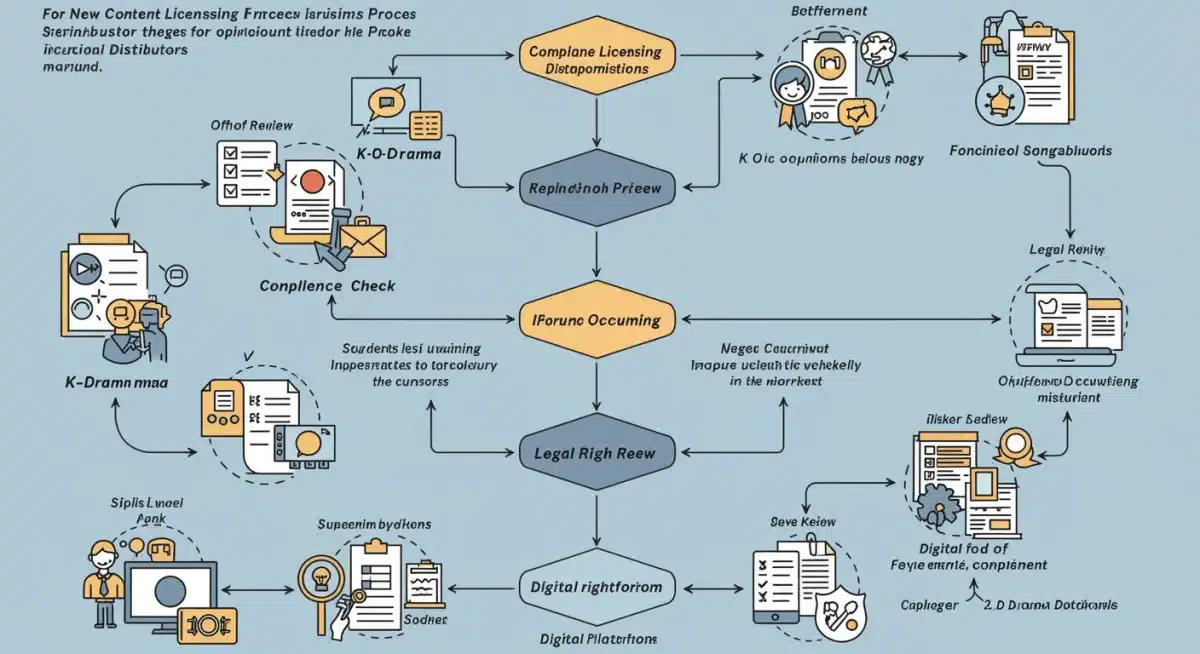
1. Conduct a Comprehensive Legal and Operational Audit
The first step is to thoroughly review all existing licensing agreements, distribution contracts, and operational procedures. This audit should focus on identifying any clauses or practices that may conflict with the upcoming regulations. Key areas to examine include:
- Current IP Rights Documentation: Ensure all intellectual property rights are clearly documented, verifiable, and align with potential new requirements for proof of ownership and licensing.
- Data Handling Practices: Assess how viewer data is currently collected, stored, processed, and shared. Identify any gaps in compliance with U.S. data privacy standards.
- Content Classification Protocols: Review current content rating and advisory practices. Compare them against anticipated U.S. standards and identify areas for adjustment.
- Anti-Piracy Measures: Evaluate the effectiveness of current DRM and anti-piracy strategies. Consider investing in more advanced technologies if necessary.
2. Engage with Legal and Compliance Experts
Given the complexity of international entertainment law and the specific nuances of U.S. regulations, engaging with specialized legal and compliance experts is non-negotiable. These professionals can:
- Interpret New Legislation: Provide accurate interpretations of the new regulations as they are finalized and published.
- Advise on Compliance: Offer tailored advice on how to bring existing operations and agreements into compliance.
- Draft New Contracts: Assist in drafting or revising licensing agreements to incorporate the new regulatory requirements.
- Mitigate Risks: Help identify and mitigate potential legal and operational risks associated with the transition.
3. Invest in Technology and Infrastructure
Compliance with the new regulations will likely require technological upgrades. K-Drama distributors should consider:
- Advanced DRM Solutions: Implementing state-of-the-art digital rights management technologies to protect content from unauthorized access and distribution.
- Data Privacy Management Tools: Investing in platforms that help manage data consent, ensure secure data storage, and facilitate compliance with consumer data rights requests.
- Content Management Systems (CMS): Upgrading CMS platforms to better track licensing terms, content classifications, and distribution territories.
- Security Enhancements: Strengthening cybersecurity infrastructure to protect sensitive company and viewer data.
4. Foster Transparent Communication with Partners
Open and honest communication with content creators, platform partners, and sub-distributors is crucial. Inform them about the upcoming changes and collaboratively develop strategies to ensure compliance across the entire distribution chain. This includes:
- Updating Partner Agreements: Revising contracts with content creators and sub-distributors to reflect the new regulatory environment and allocate responsibilities for compliance.
- Providing Training: Offering training sessions or resources to partners on the implications of the new regulations.
- Establishing Clear Protocols: Developing clear protocols for information sharing and issue resolution related to regulatory compliance.
5. Monitor Regulatory Developments Closely
The regulatory landscape is dynamic. Distributors must stay informed about any further clarifications, amendments, or supplementary guidelines released by U.S. regulatory bodies. Subscribing to industry newsletters, attending webinars, and maintaining close contact with legal counsel will be vital for continuous awareness.
Future-Proofing Your K-Drama Distribution Strategy
Beyond mere compliance, the new K-Drama licensing regulations in the U.S. market offer an opportunity to future-proof your distribution strategy. By proactively addressing these changes, distributors can:
- Build Stronger Relationships: Demonstrating a commitment to legal and ethical distribution practices can strengthen relationships with content creators, enhancing access to premium K-Drama titles.
- Expand Market Reach: A reputation for compliance and professionalism can open doors to new partnerships with major U.S. streaming platforms and broadcasters, expanding the reach of K-Drama content.
- Innovate Distribution Models: The need to adapt might spur innovation in how K-Dramas are licensed and delivered, potentially leading to more efficient and secure distribution models.
- Gain Competitive Advantage: Early adopters of the new standards will gain a significant competitive advantage over those who lag, positioning themselves as leaders in the international content distribution space.
The U.S. market remains a lucrative and vital territory for K-Drama distribution. The new regulations, while demanding, are ultimately designed to create a more robust, secure, and fair environment for all stakeholders. For K-Drama distributors, viewing these changes not as obstacles but as catalysts for growth and improvement will be the key to continued success. By embracing proactive planning, investing in expertise and technology, and fostering transparent partnerships, distributors can confidently navigate the evolving regulatory landscape and ensure that the captivating world of K-Dramas continues to thrive in the hearts and homes of American audiences for years to come.
The journey to January 2026 is an opportunity for strategic recalibration. Those who embark on this journey with diligence and foresight will not only meet the new requirements but will also emerge stronger, more resilient, and better positioned to capitalize on the ever-growing demand for high-quality international content in the U.S. market.
This commitment to excellence and compliance will undoubtedly cement K-Dramas’ place as a dominant force in the global entertainment industry, continuously enchanting audiences with their unique storytelling, compelling characters, and exceptional production values. The new regulatory framework, far from being a deterrent, can serve as a foundation for a more sustainable and prosperous future for K-Drama distribution in the United States.
Conclusion: A New Era for K-Drama Licensing in the U.S.
The upcoming K-Drama licensing regulations in the U.S. market, effective January 2026, mark a pivotal moment for international content distributors. These regulations, while introducing new complexities, are fundamentally aimed at enhancing intellectual property protection, safeguarding consumer data, standardizing content classification, and fostering fair competition. For K-Drama distributors, the path forward requires strategic planning, robust legal counsel, technological investment, and transparent communication.
By proactively addressing these changes, distributors can transform potential challenges into significant opportunities. Embracing compliance will not only mitigate risks but also build stronger market credibility, foster greater consumer trust, and ultimately pave the way for expanded reach and sustained success in the highly competitive U.S. entertainment landscape. The future of K-Drama in America is bright, and with careful navigation of these new regulations, its light will only shine brighter.