
The global phenomenon of K-Dramas continues its relentless ascent, particularly within the competitive US market. What was once considered a niche interest has blossomed into a mainstream cultural staple, attracting millions of new viewers with each passing quarter. This surge in popularity isn’t accidental; it’s a testament to the innovative and compelling narratives that Korean dramas consistently deliver. As we delve into the latest releases, a clear pattern of overarching K-Drama storytelling trends emerges, defining the landscape of what captivates American audiences. Understanding these trends is key to appreciating the depth and breadth of this entertainment powerhouse.
This quarter, specific narrative strategies and thematic explorations have risen to prominence, setting new benchmarks for engagement and critical acclaim. From intricate character development to genre-bending plots, these trends are not just about what stories are being told, but *how* they are being told. They reflect a sophisticated understanding of viewer psychology, cultural nuances, and the universal desire for impactful, emotionally resonant content. Join us as we decode the seven dominant K-Drama storytelling trends that are currently shaping new releases and solidifying their place in the hearts of US viewers.
1. The Rise of Nuanced Character Arcs: Beyond Good and Evil
One of the most compelling K-Drama storytelling trends captivating the US market is the profound shift towards more nuanced and morally ambiguous character arcs. Gone are the days of strictly black-and-white protagonists and antagonists. Modern K-Dramas are excelling at presenting characters with complex motivations, internal conflicts, and believable flaws that make them intensely relatable. This allows for a deeper exploration of human nature, challenging viewers to empathize with figures who might otherwise be dismissed as purely ‘good’ or ‘evil’.
This trend manifests in several ways. We see anti-heroes who commit questionable acts for understandable reasons, or villains whose backstories evoke sympathy. Protagonists often grapple with their past mistakes, their ethical dilemmas, and the consequences of their choices, leading to more dynamic and unpredictable narrative journeys. This level of psychological depth resonates strongly with US audiences, who are accustomed to complex character portrayals in Western television and film.
For example, recent hits have featured characters who are initially perceived as cold or selfish, only to reveal layers of trauma, loyalty, or a hidden sense of justice. This gradual unveiling of character complexity keeps viewers invested, sparking discussions and theories about their true intentions and developmental trajectories. The emphasis is on growth and change, illustrating that people are not static entities but products of their experiences, capable of both great kindness and profound cruelty. This rich tapestry of human experience is a significant driver of the current success of K-Drama storytelling trends.
Furthermore, this trend extends to supporting characters, who are rarely mere plot devices. They often possess their own fully fleshed-out backstories and motivations, contributing to a more immersive and believable world. This holistic approach to character development ensures that every individual on screen feels authentic, adding significant weight to the narrative and making the emotional stakes feel incredibly real.
2. Genre-Bending Narratives: A Fusion for Fresh Perspectives
Another powerful force among current K-Drama storytelling trends is the audacious embrace of genre-bending narratives. Korean dramas have never shied away from mixing elements, but this quarter has seen an unprecedented level of creative fusion, resulting in truly unique and often groundbreaking productions. This willingness to blend seemingly disparate genres—like romance with sci-fi, fantasy with legal thrillers, or historical dramas with modern social commentary—produces fresh perspectives and keeps audiences on the edge of their seats.
The beauty of this trend lies in its ability to defy expectations and offer something genuinely new. Viewers are no longer confined to the predictable tropes of a single genre. Instead, they are treated to narratives that can pivot from heartwarming romance to intense suspense, and then to profound philosophical reflection within a single episode. This dynamic storytelling prevents stagnation and encourages a broader audience reach, appealing to fans of multiple genres simultaneously.
Consider a drama that starts as a lighthearted office romance but slowly introduces elements of a murder mystery, or a historical piece that incorporates time travel and futuristic technology. These unexpected combinations create a rich, multi-layered viewing experience. The genre-bending approach allows for a wider range of thematic exploration, enabling creators to tackle complex societal issues through allegorical fantasy or inject emotional depth into high-stakes thrillers. This innovative spirit is a hallmark of the most successful K-Drama storytelling trends we’re observing.
This fusion also provides ample opportunities for creative visual storytelling and sound design, enhancing the overall immersive quality of the drama. The juxtaposition of different genre conventions often leads to striking stylistic choices that further distinguish K-Dramas from their international counterparts. It’s a testament to the Korean entertainment industry’s confidence in its creative vision and its audience’s appetite for originality.3. Social Commentary with a Soft Touch: Addressing Real-World Issues
While often wrapped in engaging plots and captivating romance, many new K-Dramas are subtly, yet effectively, weaving in powerful social commentary. This trend reflects a growing willingness to tackle real-world issues such as economic inequality, mental health stigma, workplace harassment, educational pressures, and the complexities of family dynamics. What makes this one of the most impactful K-Drama storytelling trends is its ability to address these serious topics without becoming overtly preachy or sacrificing entertainment value.
Instead of direct exposition, these dramas often use character experiences and narrative situations to highlight societal problems. A character struggling with debt might illuminate the harsh realities of a competitive job market; a storyline involving a character seeking therapy can destigmatize mental health discussions. This ‘soft touch’ approach allows viewers to engage with sensitive subjects on an emotional level, fostering empathy and understanding.
This method is particularly effective in appealing to a global audience, as many of these social issues are universal. By presenting them through compelling personal stories, K-Dramas transcend cultural barriers, making their commentary accessible and resonant regardless of geographical location. The ability to entertain while simultaneously provoking thought is a sophisticated skill, and it’s a key reason why these specific K-Drama storytelling trends are gaining traction in the US market.
The discussions sparked by these dramas often extend beyond the screen, encouraging viewers to reflect on their own societies and challenging existing norms. This intellectual engagement, combined with strong emotional storytelling, creates a powerful and memorable viewing experience that lingers long after the credits roll. It’s a powerful testament to the influence of Korean media as a vehicle for social discourse.
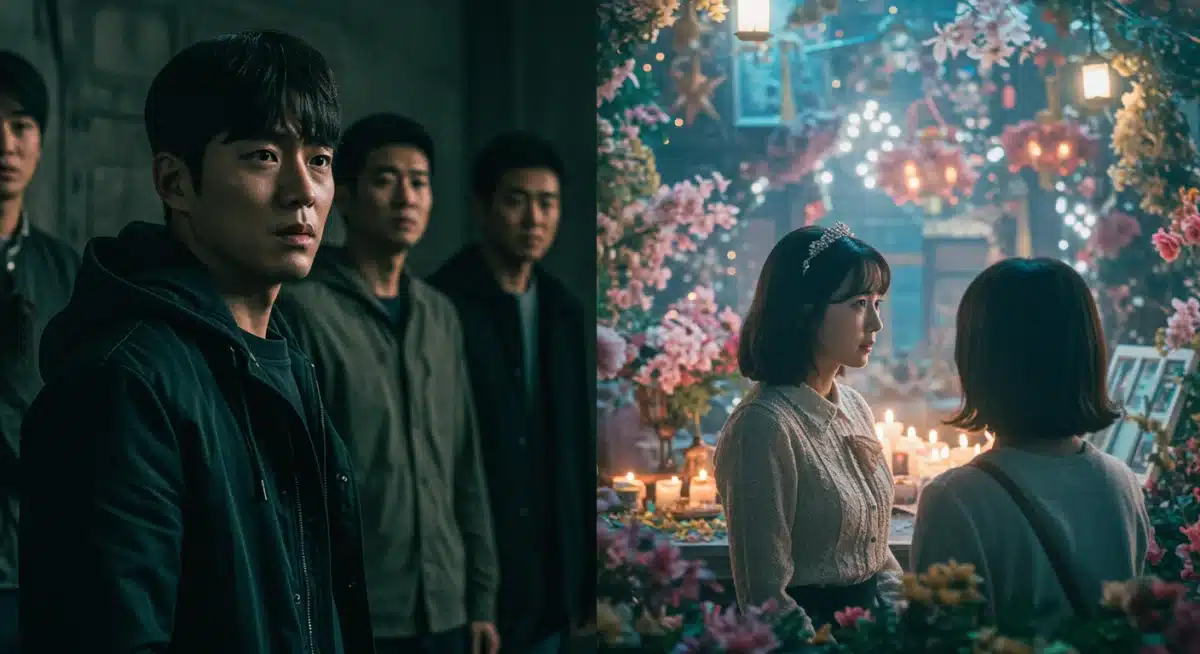
4. High Production Value and Cinematic Aesthetics: A Visual Feast
The visual quality of new K-Dramas is consistently outstanding, marking high production value and cinematic aesthetics as a defining element of current K-Drama storytelling trends. From breathtaking cinematography to elaborate set designs and meticulous costume choices, every aspect of these productions is crafted with an eye for detail, rivaling feature films. This commitment to visual excellence significantly enhances the immersive experience for viewers.
Directors employ sophisticated camera techniques, lighting, and color grading to convey mood, emphasize emotional beats, and create truly iconic scenes. Whether it’s a sweeping panoramic shot of a bustling city, an intricately designed historical palace, or a futuristic laboratory, the visual storytelling is always top-tier. This attention to visual detail not only makes the dramas more appealing but also reinforces the narrative, subtly communicating themes and character states.
The investment in high production values extends to special effects, which are increasingly seamless and convincing, particularly in fantasy, sci-fi, and action-oriented dramas. This allows for grander, more imaginative storytelling without breaking the audience’s suspension of disbelief. For US audiences accustomed to Hollywood blockbusters, this level of visual sophistication makes K-Dramas feel familiar yet distinctively fresh.
Moreover, the soundtracks are often meticulously curated, featuring original scores and popular K-Pop artists that perfectly complement the on-screen action and emotional arcs. This synergy between visual and auditory elements creates a holistic sensory experience that draws viewers deeper into the story world. The dedication to creating a visually and audibly rich experience is undoubtedly a major factor in the widespread appeal of these K-Drama storytelling trends.
5. The Global Appeal of Universal Themes: Love, Loss, and Redemption
Despite their unique cultural context, K-Dramas consistently tap into universal human experiences and emotions, making them incredibly relatable to audiences worldwide, including those in the US. Themes of love, loss, family, friendship, ambition, betrayal, and redemption are explored with a depth and sincerity that transcends linguistic and cultural barriers. This focus on universal themes is a cornerstone of enduring K-Drama storytelling trends.
While the settings and specific cultural norms might differ, the core emotional journeys of the characters are universally understood. The pain of a broken heart, the joy of new love, the struggle for acceptance, the desire for justice, or the quest for self-discovery are feelings that resonate with everyone, everywhere. This emotional accessibility is a powerful bridge, allowing US viewers to connect deeply with characters and their stories, even if they are unfamiliar with certain Korean customs.
K-Dramas often portray these themes with a particular blend of earnestness and emotional intensity that can be incredibly moving. They are not afraid to explore vulnerability, grief, or complex moral dilemmas, offering narratives that are both entertaining and emotionally cathartic. This raw honesty in portraying human emotions creates a powerful bond between the viewer and the narrative, fostering a sense of shared humanity.
The exploration of these themes is frequently intertwined with intricate plot lines and character development, ensuring that the emotional core of the story is always at the forefront. This ability to tell deeply human stories, regardless of the genre or specific premise, is a critical component of why these K-Drama storytelling trends have achieved such global resonance and continue to thrive in diverse markets like the US.
6. The Power of Ensemble Casts and Strong Supporting Roles
While many dramas feature compelling lead characters, a significant and increasingly prominent trend among new K-Drama storytelling trends is the emphasis on strong ensemble casts and fully developed supporting roles. This approach enriches the narrative tapestry, providing multiple perspectives and enhancing the overall depth of the story. It moves beyond the traditional focus solely on the main couple or protagonist, creating a more vibrant and believable world.
In many recent K-Dramas, the relationships between supporting characters are just as engaging and well-written as those of the leads. Friendships are portrayed with genuine loyalty and camaraderie, family dynamics are explored with nuance, and even workplace colleagues have distinct personalities and evolving arcs. This means that viewers are invested not just in one or two characters, but in an entire community, making the stakes feel higher and the emotional impact broader.
This trend allows for a more comprehensive exploration of the story’s themes, as different characters can represent various facets of an issue or different responses to a central conflict. It also provides opportunities for comedic relief, dramatic tension, and heartwarming moments that might not fit directly into the main plot but contribute significantly to the overall viewing pleasure. The interplay between a diverse cast of characters creates a dynamic and engaging experience.
The success of an ensemble cast often relies on excellent casting, where each actor brings their character to life with conviction. This meticulous attention to casting, combined with well-written roles, ensures that even minor characters leave a lasting impression. This collaborative storytelling approach is a testament to the strength of Korean screenwriting and direction, making it a pivotal aspect of current K-Drama storytelling trends.

7. Subverting Tropes and Unexpected Plot Twists: Keeping Audiences Guessing
Finally, a highly engaging aspect of contemporary K-Drama storytelling trends is the clever subversion of established tropes and the frequent inclusion of genuinely unexpected plot twists. While K-Dramas are known for certain common narrative devices, new releases are increasingly playing with these expectations, offering fresh takes that keep even seasoned viewers on their toes. This mastery of surprise is a core reason for their continued appeal in the US market.
Instead of relying on predictable romantic arcs or villainous reveals, writers are crafting narratives that intentionally mislead, introduce red herrings, and deliver shocking revelations when least expected. This doesn’t mean twists for the sake of twists; rather, these turns are usually well-integrated into the plot, deepening the mystery, raising the stakes, or dramatically altering character perceptions.
This subversion often involves taking a familiar K-Drama trope—such as a love triangle, a childhood connection, or a seemingly insurmountable obstacle—and then twisting it in an innovative way. A character who appears to be a rival might become an unexpected ally; a long-lost secret might have a completely different meaning than initially suggested. This keeps the narrative fresh and prevents it from becoming formulaic.
The internet age, with its rapid dissemination of fan theories and discussions, also plays a role. K-Drama creators are aware of viewer expectations and actively work to craft stories that both satisfy and surprise. This interactive dynamic, where audiences try to predict outcomes only to be delightfully proven wrong, adds another layer of engagement. This intelligent manipulation of narrative expectations is a sophisticated element of the most compelling K-Drama storytelling trends today.
The Enduring Appeal of K-Drama Storytelling Trends in the US
The continued and expanding dominance of K-Dramas in the US market is a clear indicator of their narrative prowess and creative innovation. The seven K-Drama storytelling trends we’ve explored—nuanced character arcs, genre-bending narratives, subtle social commentary, high production value, universal themes, strong ensemble casts, and the clever subversion of tropes—collectively form a powerful formula for captivating audiences.
These trends are not merely stylistic choices; they are deeply ingrained narrative strategies that speak to a sophisticated understanding of storytelling. They demonstrate an industry that is confident in its unique voice, yet also keenly aware of global viewing habits and desires. The ability to churn out content that is both culturally specific and universally resonant is a testament to the talent and vision of Korean writers, directors, and actors.
As streaming platforms continue to make K-Dramas more accessible than ever before, we can expect these trends to evolve and new ones to emerge. However, the foundational elements of compelling characters, engaging plots, and emotionally resonant themes will undoubtedly remain at the core of their success. For US audiences, the allure of K-Dramas lies in their ability to offer something truly different—a blend of escapism, emotional depth, and intellectual stimulation that is both refreshing and deeply satisfying.
In conclusion, the current landscape of K-Drama releases is a vibrant tapestry of creativity and innovation. By decoding these dominant K-Drama storytelling trends, we gain a deeper appreciation for the artistry behind this global phenomenon and understand precisely why they continue to win over hearts and minds across the United States. The future of K-Drama looks brighter than ever, promising even more captivating stories to come.